The deadliest attack on the oil-rich kingdom in more than a decade struck the country’s main airport on Saturday, killing 12 people and wounding more than 300, and forcing diplomatic missions to warn their citizens to avoid the facility.
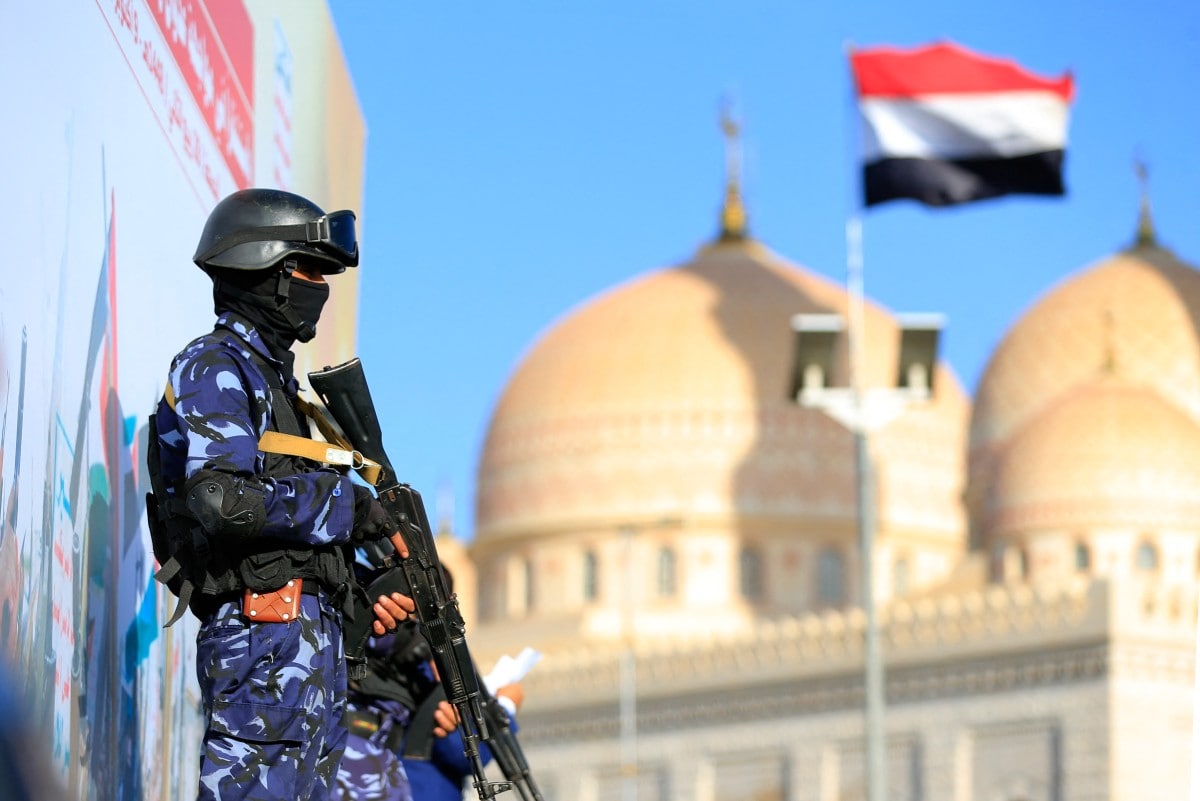
Saudi Arabia has come under multiple “targeted” attacks claimed by Iran-backed Houthi rebels over the weekend, including a spate of deadly attacks on King Khalid International Airport in Riyadh.
The kingdom launched strikes against the Houthis and is backing a government counteroffensive after the Houthis seized strategic territory along the Red Sea coast last month. Earlier reporting noted: With an American among those killed on Saturday, Trump also faces growing pressure to act. Asked on Saturday whether the US would join strikes against the Houthis, he said: “We may.
Houthis have retaliated by targeting critical oil and tourism infrastructure of the kingdom. Major weapons purchases from Western manufacturers — including American, British and French companies — have become a defining feature of Saudi defence policy and a diplomatic strategy to curry favour with allies. Riyadh’s advanced warplanes have pounded Houthi positions across Yemen in the past week, seeking to roll back the Iran-backed group’s recent advances against the Yemeni government army. “Riyadh sees these strikes as a serious escalation, particularly given their unprecedented nature, and is likely to respond with greater military pressure. We’re going to look at it.”
The kingdom, which has recently signed a defence pact with Turkey and Pakistan, has limited military-industrial capacity and has therefore spent heavily on imported cutting-edge weaponry. The escalation comes after a truce agreed between Iran-backed Houthi rebels –who control around one-third of Yemen’s territory, where about 70 to 80 per cent of the country’s population live — and the Saudi-backed Yemeni government unravelled earlier this year, with Saudi Arabia stepping up its military involvement in Yemen. It has flashy military hardware, such as F-15 fighter jets, Eurofighter Typhoons, Patriot and THAAD missile systems, among other state-of-the-art gear. However, the Iran-backed group has significantly improved its arsenal since the rebels took control of the capital Sanaa from the government in 2014. Houthis have demonstrated that their drones and missiles can reach as far as Israel, some 2,000 km from Yemen, and can hit specific targets such as Saudi airports and oil facilities.
The rebels also have several short-range missiles, such as their Burkan and Badr series, which are believed to be of Iranian origin, according to a report by Al Jazeera. Andreas Krieg from the London-based MENA Analytica risk firm said that “even a layered system combining Patriot, THAAD, fighter aircraft and other sensors cannot create an impermeable dome over a country the size of Saudi Arabia”, which spans around 2.2 million square kilometres. Krieg said that while Saudi defences are intercepting many incoming attacks, “the Houthis do not need to penetrate the system every time” to achieve their goals. Earlier reporting noted: “By escalating their attacks, they are trying to pressure Saudi Arabia into stepping back and halting its air campaign,” said Ahmed Nagi, the International Crisis Group’s senior analyst for Yemen.
Earlier reporting noted: Saudi fighter jets are already backing a counteroffensive by Yemeni government forces after the Houthis seized territory near Bab el-Mandeb, a critical chokepoint for global shipping at the southern entrance to the Red Sea.