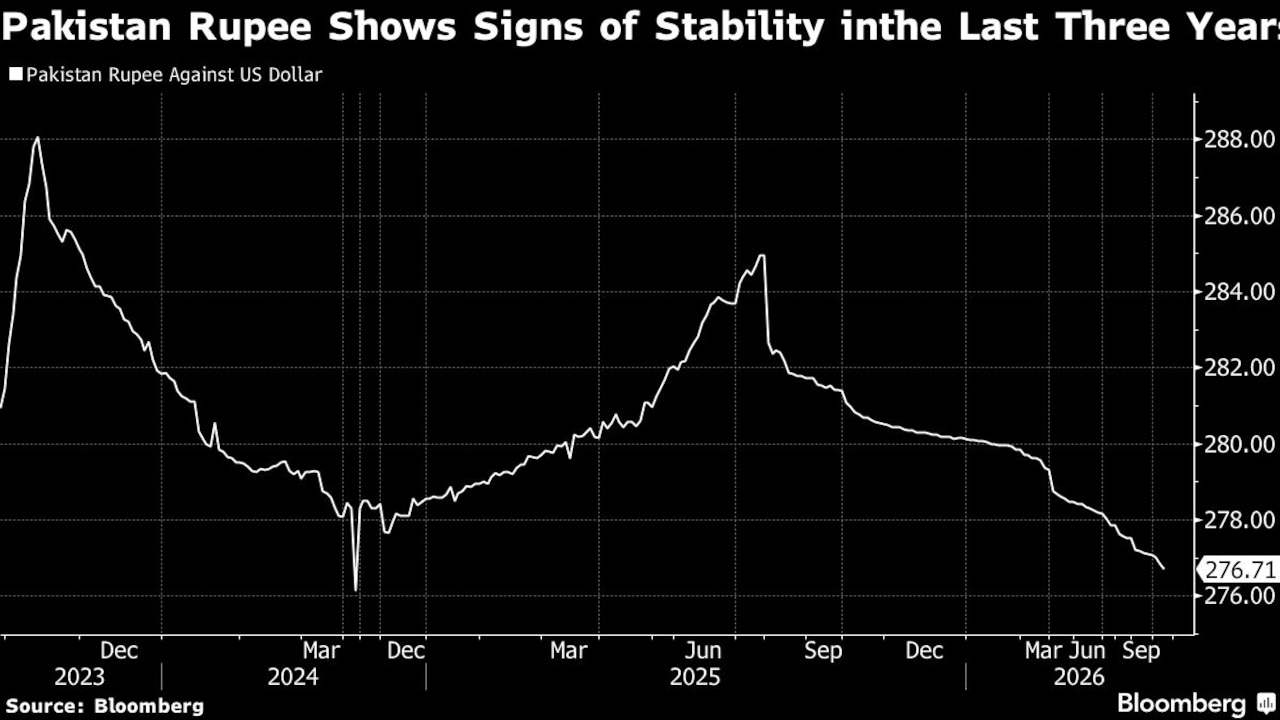
Pakistan’s soaring stock market, record foreign reserves and improving credit ratings are signaling an economy on the mend. Beneath the surface, the recovery remains far less convincing.
But that dependence on external financing is a key economic vulnerability, according to Ismail. He said the country’s heavy debt burden means it will likely need another IMF bailout after its current arrangements expire next year. “Just creating more sources of borrowing is not the remedy for our economic issues,” said Shakil Anwer Kamal, a Karachi-based economist and capital markets expert. “A real solution will come only when we improve our own capacity to generate foreign exchange, which is possible only through exports, remittances, foreign direct investment, productivity and fiscal reforms.”
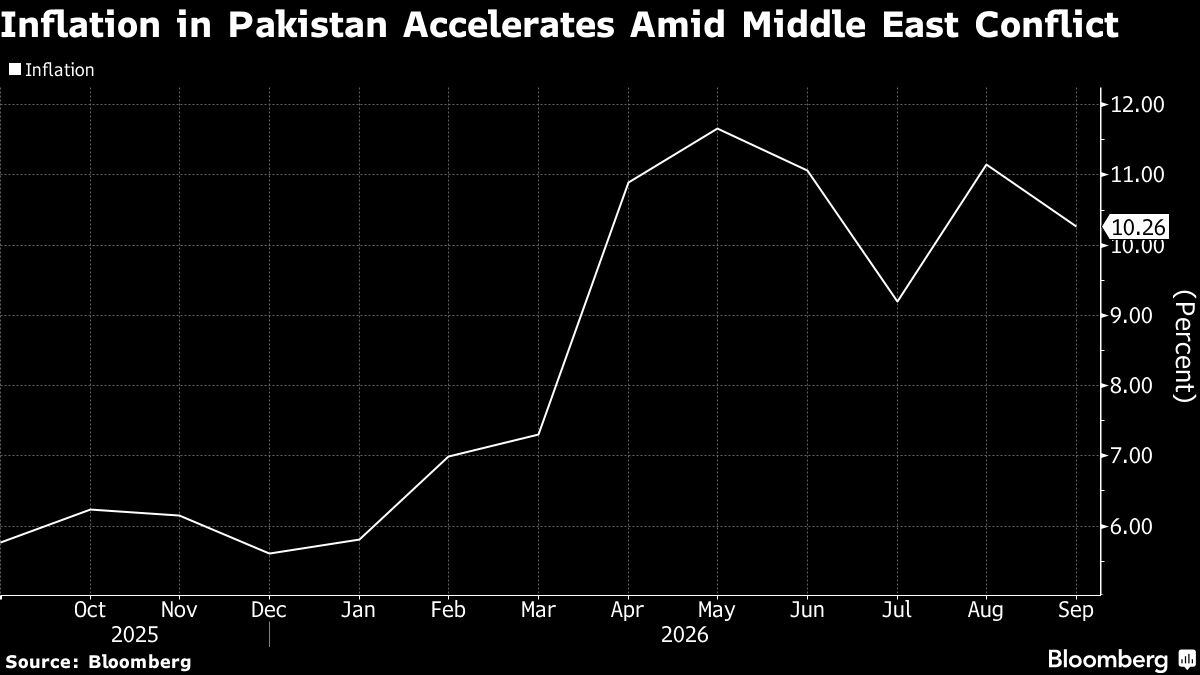
Official figures on Monday showed inflation remained well above the central bank’s target rate in October. High energy costs and the ongoing US-Iran war have pushed up inflation, while renewed militancy in Pakistan’s border provinces is adding to risks for investors. Higher rates may help contain inflation and imports, but they also risk further squeezing an already weak domestic economy.
Last week, the central bank raised interest rates by 50 basis points to 12%, warning that the inflation outlook had deteriorated as oil topped $100 a barrel and wheat prices rose. The administration of Prime Minister Shehbaz Sharif has highlighted record foreign exchange reserves of $21.5 billion and a series of credit-rating upgrades this year as evidence of a turnaround. State Bank of Pakistan Governor Jameel Ahmad expects reserves to reach $25 billion by June, enough to cover more than four months of imports. Pakistan has already raised over $4 billion in global markets this year and is now seeking further ratings upgrades as it plans to tap global debt markets again, Finance Minister Muhammad Aurangzeb told Bloomberg TV last month. Earlier this year, Pakistan asked the US for a $10 billion facility, looking to capitalize on improved ties with the Trump administration.
By suppressing demand, Pakistan can shore up its external finances, but at the cost of growth and household incomes, said Miftah Ismail, a former finance minister and IMF economist. Islamabad has also said it plans to diversify its sources of funding, moving away from deposits of billions of dollars it received in past from allies like Saudi Arabia, China and the UAE.