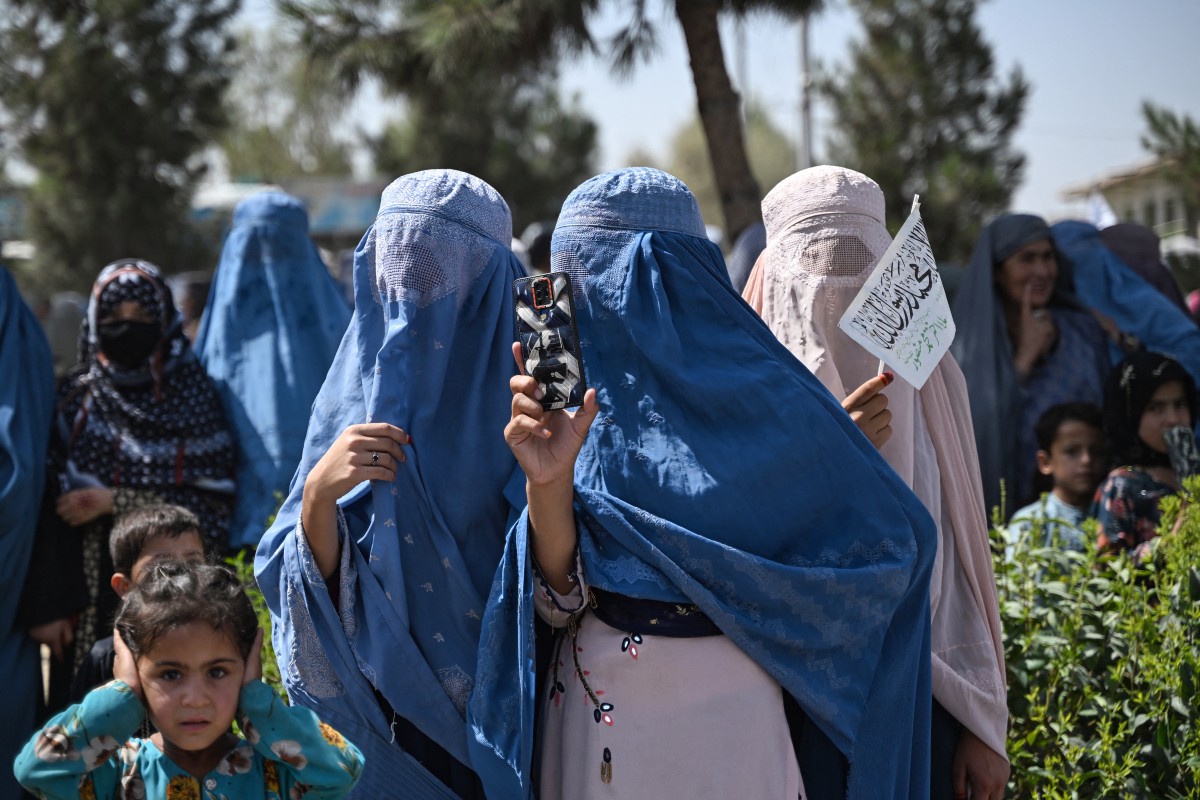
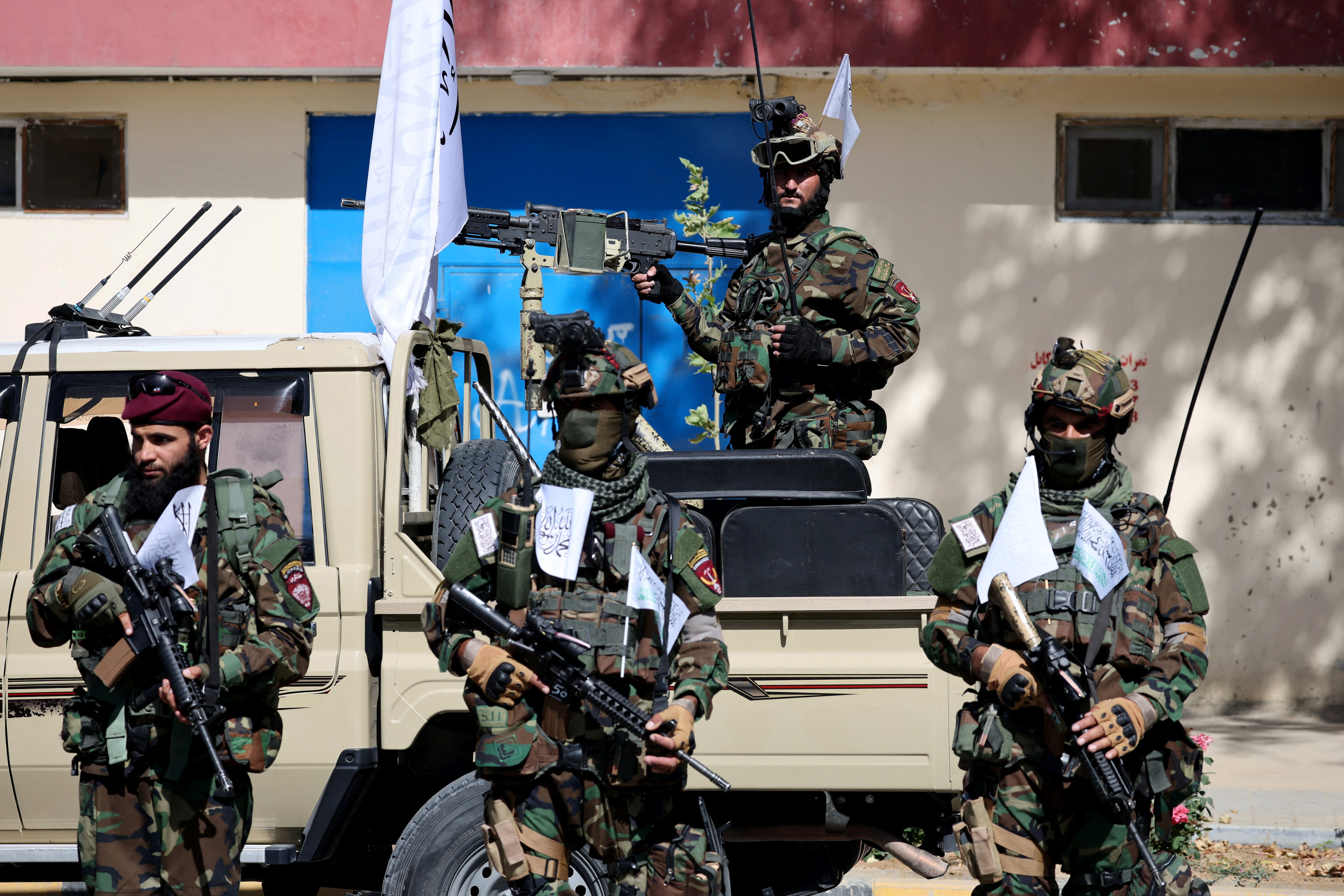
The Taliban marked five years in power on Saturday, seeking to portray their government as in control even as aid and rights groups warned of escalating crises.
Half of Afghan women now leave their homes only once or twice a month, according to data released by UN Women on Wednesday. But those assurances quickly faltered, human rights groups say. Five years on, their government remains internationally unrecognised, with Russia the only country to have formally recognised it. But the Taliban have made quiet diplomatic inroads, analysts say, as some countries weigh the limits of their influence in Afghanistan and the need to engage with the government. The Taliban are increasingly pushing for arrangements with European nations that have been seeking ways to deport more Afghans. The government in Kabul is also using its geographical location at the crossroads of South and Central Asia and the Middle East to strike economic deals.
The Taliban have imposed sweeping restrictions on women and girls since 2021, barring 2.5 million of them from secondary schools and universities, according to UNESCO, and limiting their freedom of movement.
Outside the former US embassy in Kabul, armoured Taliban vehicles took part in a parade, displaying flags and banners, and celebrating what the government described as “victory day” from Western domination. Sirajuddin Haqqani, the Taliban’s interior minister, said in a video address that their return to power was the result of “morale, courage” and “divine assistance.